Study Links Estimated PFAS Exposure in Water to Higher Mortality After Prostate Cancer Diagnosis
A US study awaiting peer review found associations between estimated drinking water exposure to certain PFAS and higher mortality among men with prostate cancer, but could not establish causation.
By Fatou Girard ·
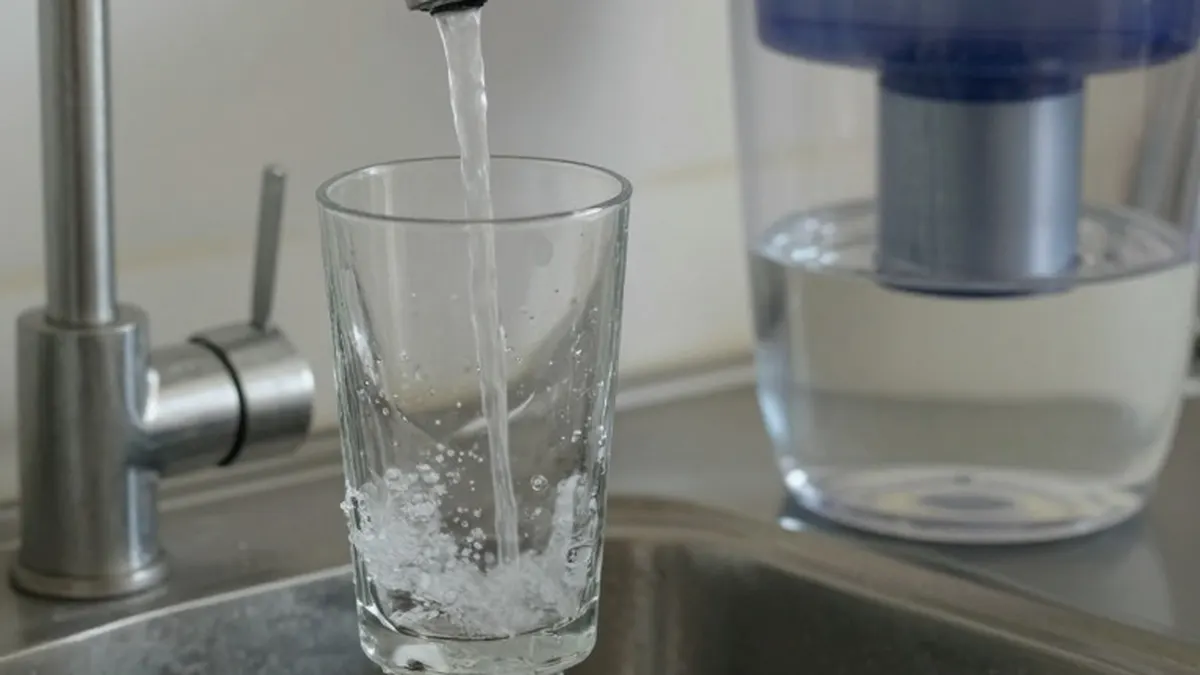
Men diagnosed with prostate cancer who had higher estimated exposure to certain PFAS chemicals in drinking water experienced higher mortality hazards in a new US study. The findings were posted on medRxiv on November 12 as a preprint and have not yet undergone peer review.
Researchers tracked 51,289 men in New Jersey who received prostate cancer diagnoses between 2006 and 2017, following them through 2024. They matched the men's residential histories with estimated PFAS concentrations across 566 community water systems. During follow-up, 19,749 participants died. Those deaths included 3,778 attributed to prostate cancer and 4,972 to cardiovascular disease.
The findings differed depending on the chemical and the analysis used. Associations were stronger in models examining estimated exposure from five years earlier. In those analyses, men in the highest exposure groups for PFOA and PFOS had all-cause mortality hazards 15% and 16% higher, respectively, than men in the lowest exposure groups. Researchers accounted for demographic, clinical and neighborhood factors.
A mortality hazard describes how quickly deaths occur over the follow-up period. These relative increases do not, by themselves, show how much an individual patient's absolute probability of dying would change. The exposure estimates also came from local water supplies, creating uncertainty about how much of the chemicals each participant actually consumed. The observational study cannot demonstrate cause and effect, and its authors called for confirmation through further research.
PFAS stands for per- and polyfluoroalkyl substances, a group of chemicals used in products designed to withstand heat, oil and water. Applications include firefighting foams, waterproof clothing and nonstick cookware. Some remain in the environment for extended periods, prompting the label “forever chemicals.” Contaminated drinking water can be an important exposure source. Lead author Hari S. Iyer studies environmental exposures and prostate cancer outcomes at Rutgers Cancer Institute.
In 2023, the International Agency for Research on Cancer classified PFOA as carcinogenic to humans and PFOS as possibly carcinogenic to humans. These categories describe cancer hazards, while an individual's risk also depends on exposure. Research specifically addressing prostate cancer has produced mixed findings.
The US National Cancer Institute describes an earlier study involving 750 aggressive prostate cancer cases and 750 comparison participants that found no association between higher blood concentrations of the PFAS examined and aggressive prostate cancer risk. However, research into developing cancer addresses a different question from research into survival after diagnosis.
For people concerned about drinking water, the US Environmental Protection Agency advises asking their local supplier about PFAS testing and results. Filters certified to reduce PFAS can help lower exposure, with performance depending on the filter and proper maintenance.