Cruz disputes Vance’s assessment of Israel ties after Republican election losses
The Texas senator rejected the suggestion that Republican midterm defeats signaled support for distancing the United States from Israel and warned about antisemitism across the political spectrum.
By Fatou Girard ·
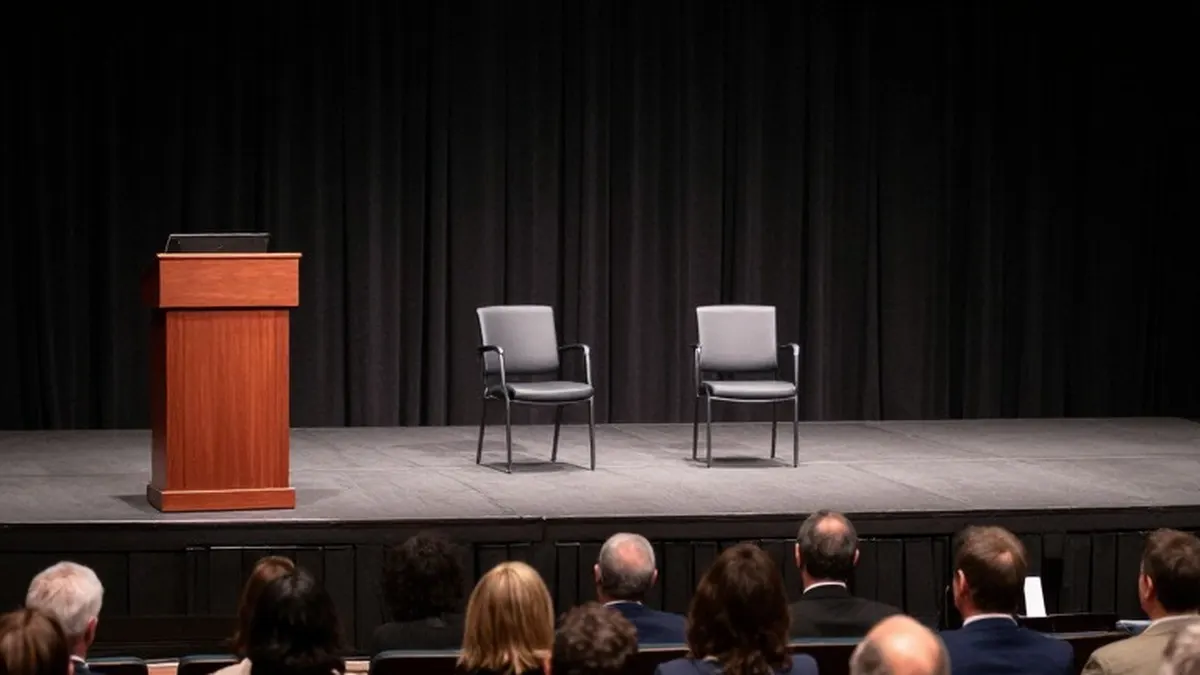
US Senator Ted Cruz of Texas rejected Vice President JD Vance’s assessment that the United States’ relationship with Israel contributed to Republicans’ sweeping midterm election losses. Speaking in Manhattan on Sunday afternoon, Cruz said he saw no indication that the results justified abandoning support for Israel.
Republicans lost control of both chambers of Congress in the elections. In a November 4 post on X, Vance cited a pollster who said voters who had moved away from the Republican Party wanted Washington to change its relationship with Israel. Vance is viewed as a leading contender to succeed President Donald Trump as the Republican presidential nominee in 2028.
Cruz addressed the issue at the Jewish Leadership Conference, an event hosted by the politically conservative Tikvah Fund. Jonathan Silver, the organization’s senior vice president, asked the senator about what Silver described as Vance’s cultivation of an isolationist, anti-Israel faction within the Republican Party. Silver also praised Cruz’s criticism of that faction.
A strong supporter of Israel, Cruz declined to explain Vance’s motivations, saying, “you’ll have to ask JD his own reasons.” He nevertheless made clear that he disagreed with interpreting the election results as a mandate to withdraw support for Israel. He did not discuss Vance further during his remarks.
Cruz then returned to concerns he has raised for more than a year about antisemitism and rhetoric against Israel on both sides of American politics. On the left, he singled out New York City Mayor Zohran Mamdani and Michigan’s Democratic US Senator-elect Abdul El-Sayed. On the right, he named Tucker Carlson, Candace Owens and former US Representative Marjorie Taylor Greene.
The senator said the figures he identified on the right were attracting increasing support. By his estimate, roughly one-third of young people on the right were receptive to their message. He warned that within five years, both major American political parties could become openly antisemitic and firmly opposed to Israel.
Cruz also highlighted The Front Line, a group aligned with him, and its efforts against antisemitism within Republican politics. Its spending arm, The Front Line Action, funded advertisements attacking Republican candidates James Fishback and Dan Bilzerian. Cruz described the purpose of that spending as making antisemitism unacceptable within the party.