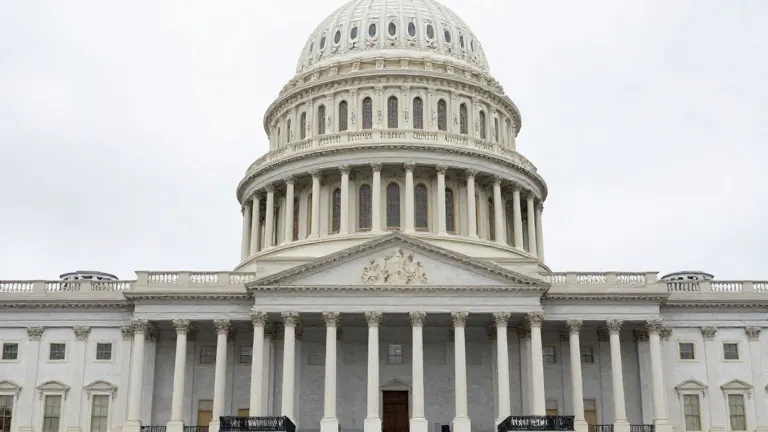
Democrats seize both chambers and governorships in decisive midterm sweep
With majorities in the House and Senate secured, new leadership moves immediately to oversee the administration and check executive power.
By Fatou Girard ·
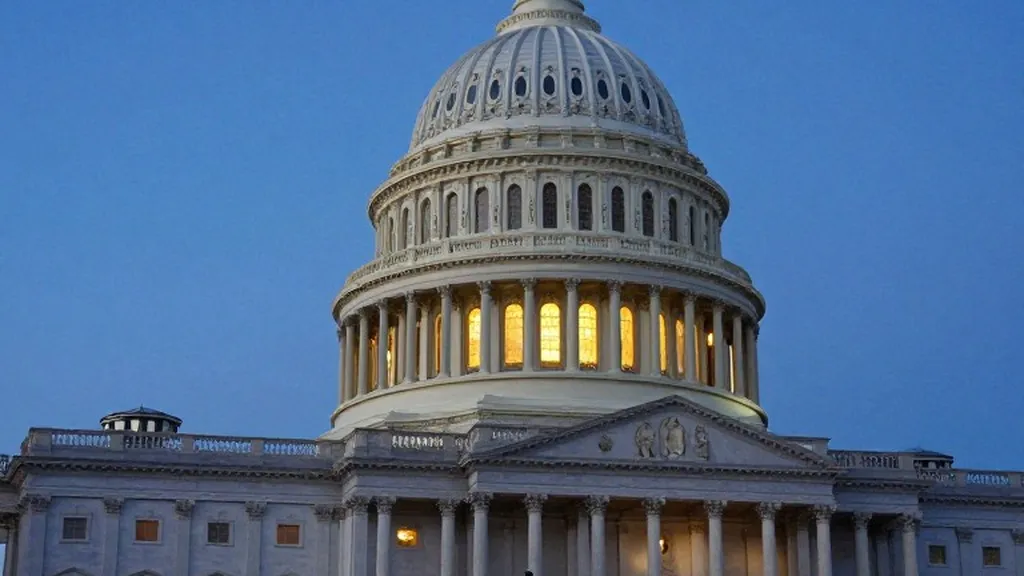
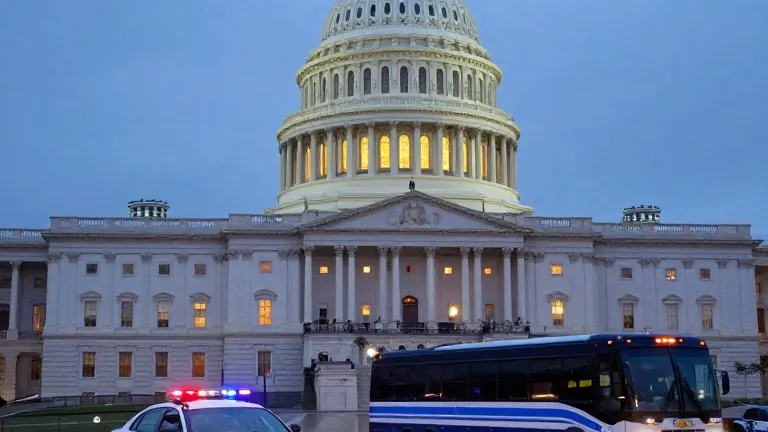
Democratic voters delivered a decisive mandate for change on Tuesday, November 3, 2026, as results confirmed that the party has won majorities in both the U.S. House and the Senate. The outcome marks a significant shift in power that allows Democrats to move from opposition to a position of control over federal oversight and budgeting. According to the compiled election results, Democrats picked up at least 43 House seats, with 42 of those previously held by Republicans and one held by an independent. In the Senate, the party gained seven seats, all of which were previously occupied by Republicans.
As of 4:00 PM ET on November 6, Democrats hold at least a 250-157 majority in the House and a 54-44 majority in the Senate. This net loss of at least seven U.S. Senate seats places this year’s elections in the top 20% of election years in terms of seat swings against a president’s party. This threshold is widely defined as a wave election. While the U.S. House has not yet reached that specific mark with a net loss of 42 seats, uncalled races could still alter that total. The immediate consequence is that Democrats have the numerical strength to force votes on legislation that the previous Congress could not pass.
The victory extends beyond federal offices, with Democrats winning a plurality of state government trifectas and state legislative chambers. For the first time since before the 2010 elections, the party has secured a majority of governorships. This broad-based success provides the administration with a unified front to address voter concerns regarding the cost of living and health care. The results stand in contrast to the Republican money edge and the effects of redistricting, which were often cited as obstacles to gaining control in key districts.
Leadership in the new House has already begun to assert its oversight powers. Rep. Bobby Scott of Virginia, who is set to lead the House Committee on Education and the Workforce, stated his intention to leave no rock unturned in his new role. He plans to use the committee's investigative powers, including the authority to issue subpoenas and hold hearings, to examine the Trump administration's dismantling of the U.S. Education Department. Scott also sent a letter to 10 federal agencies just a day after the midterm elections, reminding them to preserve records that might become part of a congressional review.
Sen. Elizabeth Warren of Massachusetts has called on her colleagues to hold the Trump administration accountable for dismantling the Department of Education and turning its back on students. She emphasized the need for robust oversight to ensure that federal funding is used effectively for American families. The new Democratic majority in the Senate will likely focus on using appropriations power as a primary tool for leverage. Sen. Chris Van Hollen of Maryland, a member of the Appropriations Committee, indicated that there will be an interest in using the power of the purse to establish guardrails and prevent abusive practices in federal spending.
Despite the clear victory, the new majority faces the challenge of an administration that has pledged to veto bills it views as harmful. This dynamic suggests that while legislative countermeasures may be difficult to pass, the threat of a veto may limit the administration's ability to act unilaterally. Democrats are also exploring harder checks through the budgeting process, with some planning to add conditions to spending bills aimed at reining in the administration's education agenda. This approach allows them to stop the bleeding in areas where previous legislative efforts failed to secure broad language.
The election results also highlight the shifting dynamics in key states. In California, Xavier Becerra won the governor's race, becoming the state's first elected Latino governor. His victory continues a streak of five consecutive Catholic governors in the state, reflecting the deep roots of the faith in California's political culture. The AP Voter Poll indicated that Catholic voters, especially Latinos, played a crucial role in his election. Becerra's win adds to the Democratic tally of governorships and provides a strong example of how diverse coalitions are driving the party's success.
Attention is also turning to the ongoing conflict in Iran, which was a central issue for many voters. Rep. Thomas Massie, a Kentucky Republican, moved to force a vote to impeach Defense Secretary Pete Hegseth, citing the administration's actions in the region. Although Massie was defeated in a primary earlier this year, his push highlights the level of frustration within the Republican ranks following sweeping election losses. President Donald Trump lashed out at the move, but the impeachment resolution signals that the new Congress will scrutinize military decisions and executive authority closely.
The new Democratic leadership is poised to use its control of Congress to address the specific concerns that drove voters to the polls, including the cost of living and health care. With majorities in both chambers, the party can now coordinate its strategy across the legislative and executive branches of state and federal government. The results of this election provide a clear directive to focus on practical governance and oversight, ensuring that the administration remains accountable to the public it serves. This shift in power sets the stage for a new era of legislative activity and policy development in the coming months.