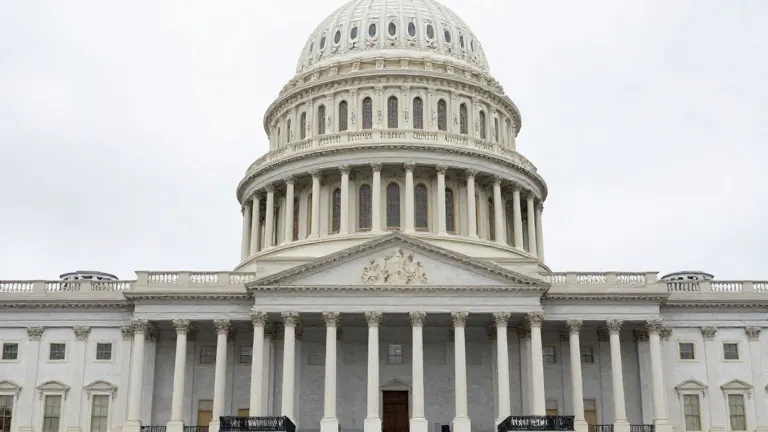
Midterm Pattern Holds as GOP Loses Majority Amid Iran War and Cost Concerns
Republicans ceded control of Congress to Democrats, who cited economic pressure and foreign policy as key factors in their victory.
By Samuel Ellis ·
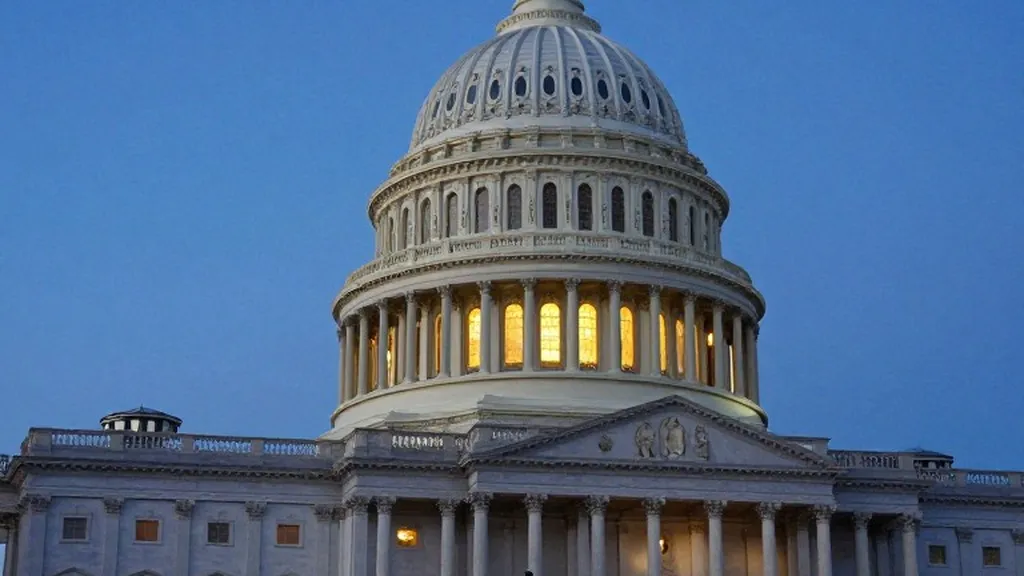
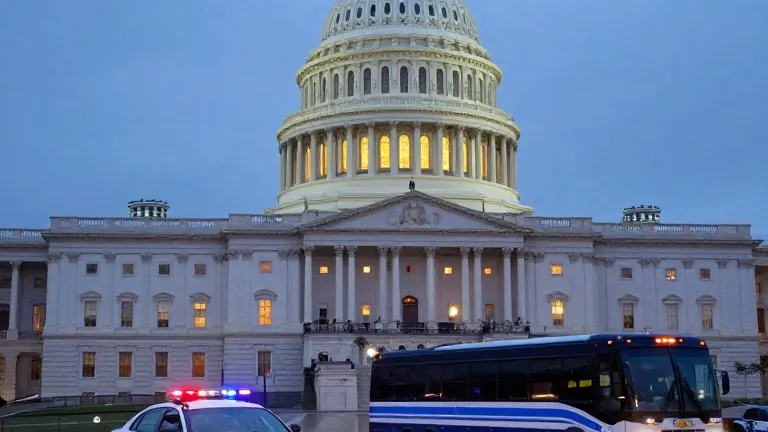
History suggests that the party holding the White House often suffers losses in midterm elections, a trend that played out again on Tuesday, November 3, 2026. President Donald Trump’s Republican Party lost its majority in both chambers of Congress, handing Democrats significant leverage for the remainder of the administration’s term. The defeat was characterized by a steep decline in Republican seats, with the party losing at least seven Senate seats and suffering a brutal drubbing in the House of Representatives. This outcome aligns with the long-standing political pattern where voters use midterms to check the president’s party, often driven by dissatisfaction with the current direction of the government.
Democrats capitalized on several pressing issues that resonated with voters, particularly the cost of living and the ongoing conflict with Iran. The war, which has lasted more than eight months, became a central theme in the campaign, with many Republicans blaming their election wipeout on the conflict and its economic impact. The administration’s handling of the war, including military operations in Yemen and Venezuela, drew scrutiny from voters who felt the economic burden was too high. Democrats positioned themselves as the party of oversight, promising to investigate the administration’s actions and hold officials accountable for their decisions.
The Republican loss was not just a numerical setback but a strategic one. The party now faces the challenge of leading a historically small House conference and a diminished Senate caucus. In the House, Republicans will move to select their new minority leader, with candidates including House Majority Leader Steve Scalise of Louisiana and Judiciary Committee Chairman Jim Jordan of Ohio. Both men have experience in high-level leadership roles, but they now face the difficult task of guiding a party that has lost its power to pass legislation and control the agenda. The winner will inherit a role that requires a shift from offense to defense, focusing on oversight and preparation for the next election cycle.
Senate Republicans are also grappling with their new status as the minority. South Dakota Senator John Thune, who is expected to be reelected as party leader, called the election night a "tough night" but emphasized the need for a robust conversation about the party’s future. Some Republican senators, including Ron Johnson of Wisconsin, argued that it is too soon to choose new leaders without first conducting a soul-searching review of the party’s performance. They cited the sweeping tax cuts bill passed last year, which included reductions to Medicaid and rural hospital funding, as a factor that may have alienated voters. Senator Josh Hawley of Missouri noted that the election was an incredible repudiation of the focus of the previous Congress, highlighting the disconnect between legislative priorities and voter concerns.
The cost of living emerged as a decisive factor in the election, with Democrats emphasizing their commitment to lowering expenses for Americans. The Republican tax and spending cut bill, while a legislative achievement for the party, was criticized by some of its own members for not doing enough to address inflation and everyday costs. Senator Hawley stated that he had not heard any acknowledgment of these issues from leadership, which he found alarming. This internal critique reflects a broader sense of urgency among Republicans to redefine their message and strategy for the coming years, as they seek to rebuild their ranks and regain the trust of voters who feel the economic burden of the current administration.
The Iran war also played a significant role in shaping the election narrative. Defense Secretary Pete Hegseth faced potential impeachment from outgoing Representative Thomas Massie of Kentucky, who filed a resolution citing Hegseth’s handling of the war as high crimes and misdemeanors. Hegseth defended his actions, arguing that the impeachment effort was about policy disagreements rather than the traditional definition of high crimes. He noted that no Secretary of Defense has ever been impeached for carrying out lawful military operations. The conflict has driven up global oil prices and disrupted shipping in the Strait of Hormuz, adding to the economic pressures that voters felt during the campaign.
Democrats are now strategizing on how to best maintain their momentum into the next Congress. They are expected to focus on oversight of the administration, with numerous investigations of the Trump administration anticipated. The party’s victory in the midterms provides them with the opportunity to scrutinize key decisions made by the executive branch, including the war in Iran and domestic economic policies. This shift in power dynamics will likely lead to a more contentious legislative environment, with Democrats using their new position to challenge the administration’s agenda and push for changes in policy.
The Republican Party is also looking to the future, with plans to confirm as many of President Trump’s nominees as possible before the new Congress begins in January. This effort is part of a broader strategy to ensure that the administration’s priorities are advanced despite the loss of the majority. Republicans are aware that leading the party back to a House majority in 2028 will be a stiff climb, given the scope of the Democratic victories. They are focusing on fundraising and grassroots efforts to rebuild their base, with leaders like Steve Scalise emphasizing the importance of resources in competitive districts.
The election results also highlight the ongoing struggle for both parties to connect with voters on key issues. For Democrats, the victory is a validation of their focus on economic concerns and oversight, but it also comes with the responsibility of delivering on their promises. For Republicans, the loss is a wake-up call to reassess their approach and address the concerns that drove voters away. The midterm pattern has held true once again, reminding both parties that the electorate is always watching and ready to make its voice heard.