Democrats Flip Congress, Leaving Trump's $5,000 Dividend Promise in Limbo
With Republicans losing control of both chambers, the 'Trump Dividend' faces immediate legislative hurdles and bipartisan skepticism over its funding source.
By Isaac Nair ·

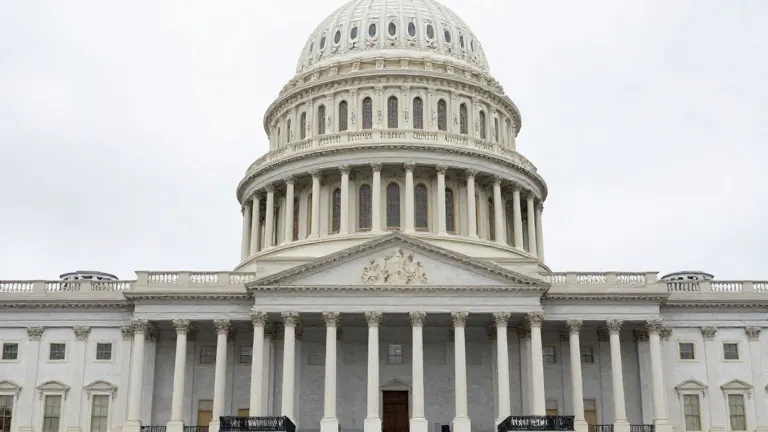
The 2026 midterm elections resulted in a decisive shift in power, with Democrats securing majorities in both the U.S. House and the Senate. According to election results, Democrats won at least 250 House seats and 54 Senate seats, marking a significant victory for the party opposing President Donald Trump. This outcome directly impacts the president's recent campaign pledge to send $5,000 to every American adult, a payment he promised only if Republicans retained control of Congress.
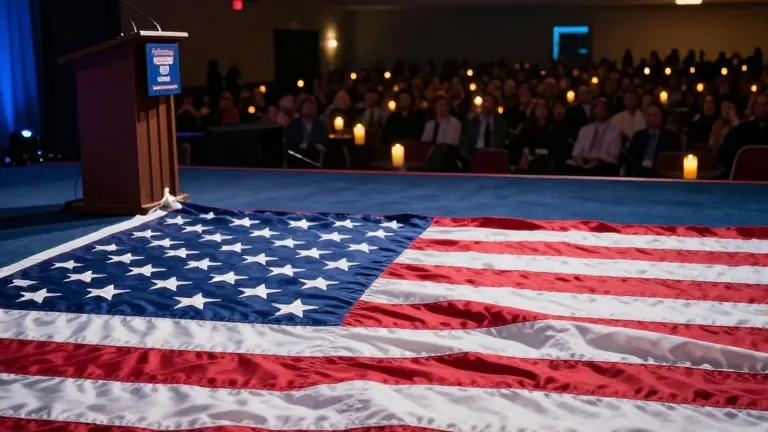
Trump made the proposal during the Republican Midterm Convention in Dallas, telling the crowd that if the Republican Party won the House and Senate, they would win with the voters and receive a 'Trump Dividend.' He described the payment as a reward for the country's economic success, comparing it to how successful companies distribute cash to their shareholders. The president stated that the U.S. is taking in so much money that it can easily handle the cost of such checks.
However, the political landscape has changed since that promise was made. Speaker Mike Johnson, a Republican from Louisiana, acknowledged on Sunday that the proposal would require congressional approval to become reality. Johnson stated that he would assume the president needs Congress to act on the idea, calling it a creative concept. He pledged that the House would work through the proposal and find consensus, despite the party's slim majority in the chamber prior to the election.
Despite Johnson's commitment, the loss of the Senate complicates the path to passage. The payment would cost the federal government more than $1 trillion, a sum that fiscal experts say would strain the country's nearly $1.8 trillion annual budget deficit. The White House suggested that tariff revenues could fund the checks, but the administration has not announced a formal plan for how the money would be distributed or fully funded.
Bipartisan criticism of the promise has been prominent since its announcement in Dallas. Democratic Senator John Fetterman made a surprise video appearance at the convention, highlighting the unusual nature of the pledge. Even within the Republican Party, questions arose about the price tag. Texas Congressman Chip Roy wrote on social media that dependency is evil and soul-sucking in all its forms, questioning the long-term effects of such a payment on voter behavior.
Election law expert Rick Hasen, a professor at UCLA, noted that while the promise is likely legal under the First Amendment, the president does not have the unilateral power to issue the checks without legislative action. Hasen compared the pledge to other campaign promises, such as tax cuts or healthcare expansions, stating that as long as the promise is public and given to every voter, it is part of standard campaign rhetoric. He argued that a state prosecution would be unlikely and that courts would likely protect the activity.
PolitiFact analyzed the feasibility of the $5,000 dividend and found that the biggest payment is far from certain. The fact-checkers pointed out that no formal plan exists for the distribution of the funds. While Senator Bernie Moreno of Ohio said he would introduce legislation to fund the proposal, political analysts indicated that such legislation would face significant obstacles in the Senate, requiring a 60-vote supermajority that may be difficult to achieve even before the new Congress convenes.
The timing of the promise also raised questions about its intent. Trump told CBS News Texas that he did not think Congress would need to authorize the payments, though he did not specify how he could spend over $1 trillion without lawmakers' authorization. Later, he reaffirmed the commitment, telling reporters before boarding Air Force One in Ireland that the $5,000 payment was going to happen 100 percent. This shift in stance added to the confusion surrounding the legal and fiscal mechanics of the plan.
Vice President JD Vance offered some clarity on the funding source, telling Fox News that some of the money would come from tariff revenue. However, the Tax Foundation estimated that the new tariffs would not generate enough revenue to cover the cost of the checks over a decade. Erica York, a senior economist at the Tax Foundation, wrote that the cost of the $5,000 checks would spend almost all the revenue that the new tariffs are projected to bring in over ten years.
The Democratic victory in the midterms means that the new Congress will have the final say on whether the dividend becomes law. With Democrats now holding the majority in both chambers, they will control the legislative agenda and the budgeting process. This shift provides the party with significant leverage to scrutinize the administration's spending plans, including the proposed dividend, as they prepare to take office in January.
President Trump has historically promised various financial incentives to Americans, including DOGE dividend checks and tariff rebates, neither of which materialized in full. The $5,000 dividend follows a pattern of using economic promises to energize the base. As the new Democratic majority prepares to implement its own agenda, the fate of the Trump Dividend remains uncertain, dependent on negotiations between the executive and legislative branches.