The $5,000 Trump Dividend: A Promise Left Behind by Election Results
Democrats’ sweep of Congress renders the president’s Dallas pledge moot, raising questions about the cost of a conditional campaign gift.
By Isaac Nair ·
President Donald Trump’s campaign to send a $5,000 check to every American adult if Republicans retained control of Congress has effectively ended with the party’s defeat in the November 3 midterm elections. The pledge, known as the Trump Dividend, was announced at the Republican Midterm Convention in Dallas last week. It was conditioned on the GOP keeping both the House of Representatives and the Senate. With Democrats winning majorities in both chambers, the specific trigger for the payment has not been met, leaving millions of voters who supported the president’s party to wonder if the check was a vote-buying tactic or a fiscal gamble that failed.
The promise was central to the Republican strategy to defend their slim majorities. Trump told the Dallas crowd that if Republicans won, they would win with him and receive the payment. He cited the country’s tremendous economic success as the rationale, comparing the dividend to successful companies distributing cash to shareholders. However, the administration had announced no formal plan for how the checks would be distributed or funded. The White House press release provided few details, leaving the mechanics of the payout largely undefined until the election results were in.
Speaker Mike Johnson, who served as the House leader during the campaign, stated Sunday that the proposal needs congressional approval. He said, “I would assume, yes, he’d need Congress to act, and that’s a creative idea.” This comment clarified the legal requirement for the payment, contradicting Trump’s earlier suggestion that Congress might not need to authorize the spending. Johnson pledged to work to get the proposal through the chamber, noting that he would try to implement everything he could. However, with Democrats now holding the majority in the House, Johnson’s ability to push the legislation forward is significantly diminished.
The potential cost of the dividend was a major point of contention. The U.S. Census Bureau estimates there are about 245 million U.S. citizen adults. Giving each of them a $5,000 check would cost approximately $1.2 trillion. This massive expenditure would put further strain on the country’s nearly $1.8 trillion annual budget deficit. Critics argued that such a large payout could exacerbate inflation, a concern that resonated with many voters who cited the cost of living as a crucial factor in their decision to vote for Democrats.
Bipartisan criticism emerged before the election. Some Republicans questioned the price tag, with Texas Congressman Chip Roy writing on social media that dependency is evil and soul-sucking in all its forms. Democrats argued that the promise was an attempt to buy votes, leveraging the president’s personal brand to energize the base. Election law expert Rick Hasen noted that while the promise is likely legal under the First Amendment, it is not unusual for politicians to make such campaign promises. He compared it to other historical pledges, such as George McGovern’s 1972 promise to give every American $1,000 a year.
The funding source was another area of doubt. Trump cited tariff revenues as a potential source, but the Tax Foundation estimated that U.S. tariff revenue would not be able to cover the cost of the checks. The foundation projected that tariffs would generate about $208 billion in revenue in 2026, far less than the $1.2 trillion needed. After the Supreme Court struck down most of Trump’s tariffs in February, the administration imposed a global 10% tariff, but the revenue projections remained insufficient to cover the dividend without significant new borrowing or spending cuts.
PolitiFact’s analysis found that the biggest payment is far from certain. They noted that the administration has announced no formal plan for such checks, and fiscal experts cast doubt on the plan during a time of existing economic challenges. The fact that the payment was tied to an election outcome added another layer of uncertainty. The White House did not directly respond to questions about how tariff revenue would cover the cost, with spokesperson Davis Ingle stating that President Trump has consistently proven his doubters wrong.
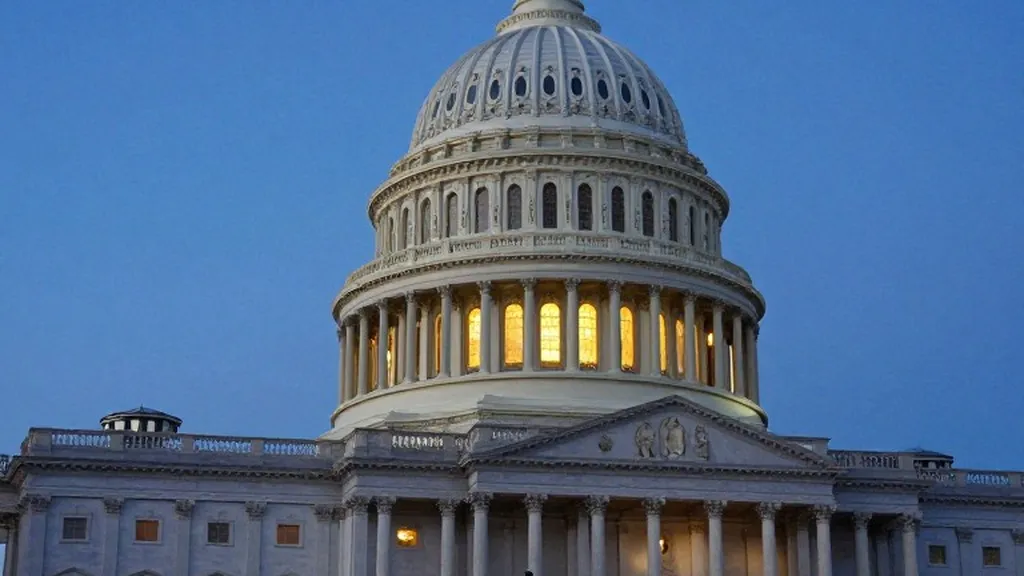
The election results have now made the promise even more difficult to fulfill. Democrats won at least 43 House seats and seven Senate seats, giving them a 250-157 majority in the House and a 54-44 majority in the Senate. This shift in power means that any legislation to fund the dividend would now face a Democratic majority in both chambers. The new leaders have already signaled a focus on oversight of the administration and addressing the cost of living, which may make them less receptive to a large, unfunded mandate from the president.
The failure of the Trump Dividend to materialize adds to a list of similar promises that did not come to fruition. In 2025, Trump and Elon Musk endorsed a DOGE dividend of $5,000, which also never materialized. In November 2025, Trump promised $2,000 tariff dividend checks, which also failed to go out. This pattern of unfulfilled financial pledges has raised questions about the credibility of the president’s economic promises, particularly in the context of a new Congress that is poised to scrutinize the administration’s spending habits.
As the lame-duck session of Congress approaches, the focus will likely shift to other priorities, such as the Iran war and government oversight. The $5,000 check, once a headline-grabbing promise, is now a footnote in the election story. For voters who supported Republicans in the belief that the dividend would arrive, the result is a reminder that conditional promises are only as good as the political will to fulfill them. The new Democratic majority will have the final say on whether the money is ever sent, or if it remains a campaign slogan that helped lose the election.